TREND Networks VDV II Plus Cable Tester for Voice, Data and Video
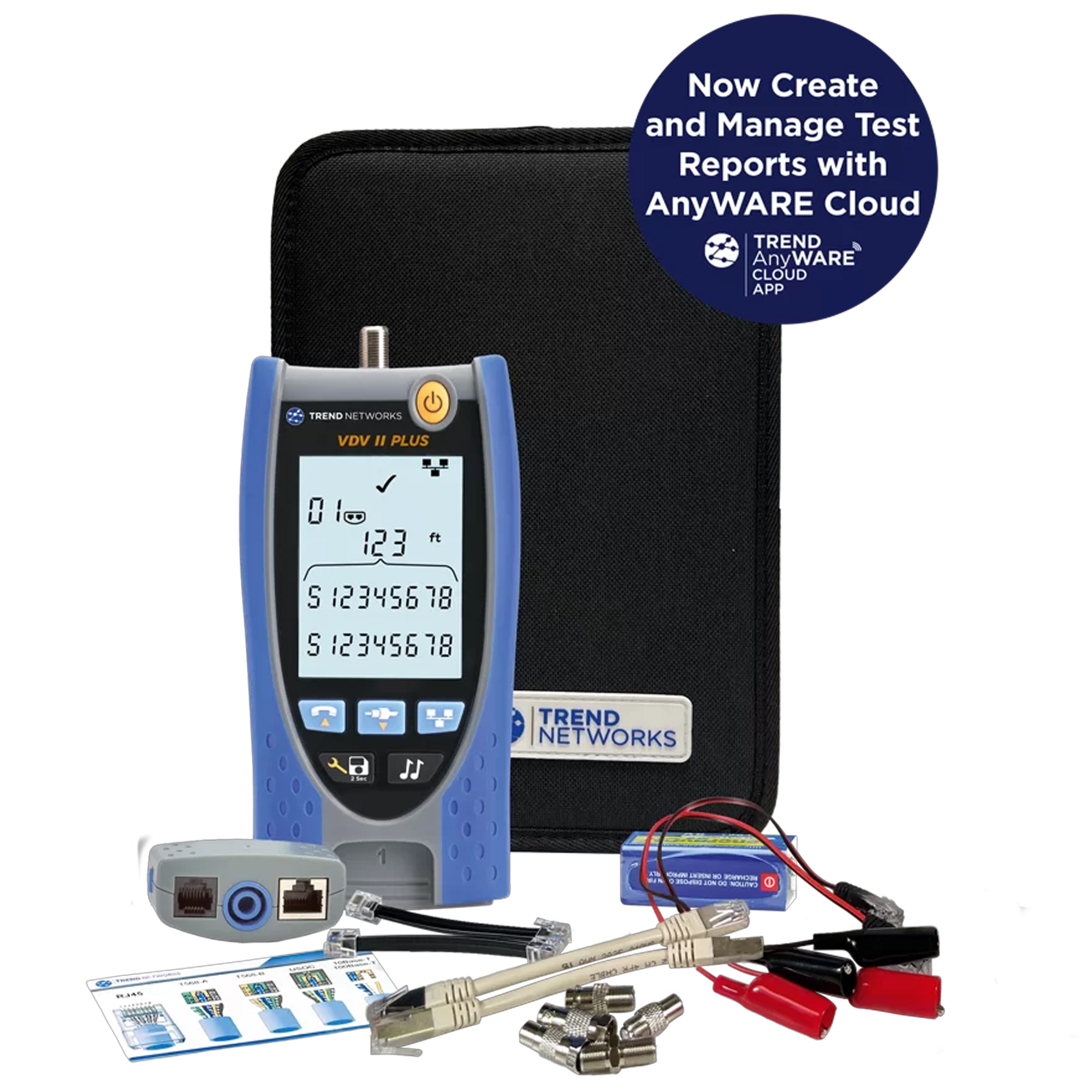
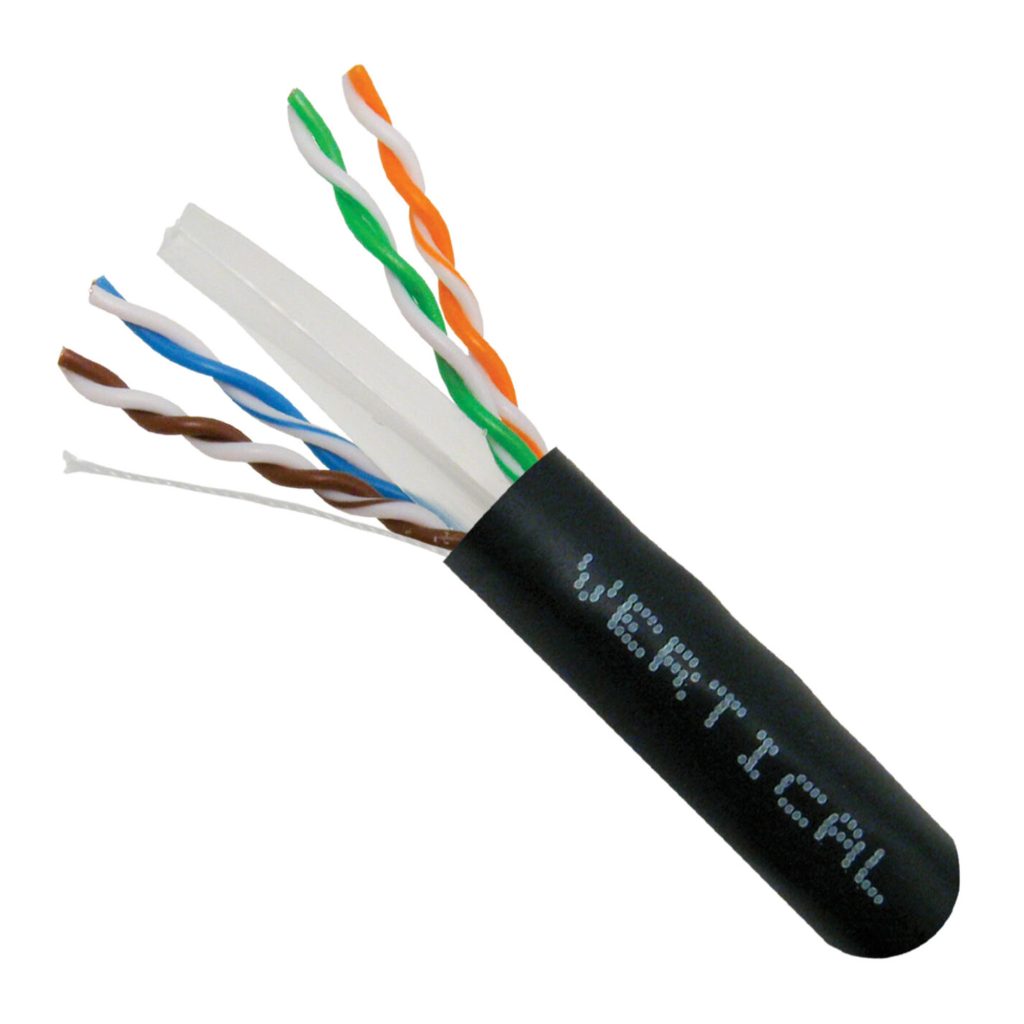
The TREND Networks VDV II Plus Cable Tester for Voice, Data and Video is a professional cable verification tool designed to help installers, technicians, and network professionals quickly test and troubleshoot copper cabling used in voice, data, and video installations. Built for efficiency in the field, this versatile tester verifies the integrity of telephone, Ethernet, and coaxial cables, ensuring proper wiring and reliable network performance.
The VDV II Plus performs comprehensive wiremap testing to instantly identify miswires, shorts, opens, and split pairs, allowing technicians to diagnose cabling issues quickly during installation or maintenance. It also measures cable length and distance to faults using TDR (Time Domain Reflectometry), helping pinpoint the exact location of wiring problems along the cable run.
Designed with an easy-to-read 2.9-inch backlit display, the tester provides clear results on a single screen so technicians can quickly confirm pass/fail status. Integrated RJ11/RJ12, RJ45, and F-type connectors allow testing of most common low-voltage cables without requiring multiple adapters or testers.
The VDV II Plus also supports PoE detection, network port identification, and AnyWARE Cloud reporting, enabling technicians to document test results and generate professional reports for project verification and troubleshooting.
Key Features
- Tests voice, data, and video copper cabling
- Integrated RJ11/RJ12, RJ45, and coax (F-type) connectors
- Detects miswires, shorts, opens, and split pairs
- Measures cable length and distance to faults (TDR)
- 2.9″ backlit display with clear test results
- Detects PoE voltage and network services
- Switch port flashing to identify connected ports
- Compatible with TREND AnyWARE Cloud reporting
For network installers and technicians working with copper infrastructure, the TREND Networks VDV II Plus Cable Tester provides a fast, reliable solution for verifying cable integrity and diagnosing wiring faults in voice, data, and video systems.