-
×
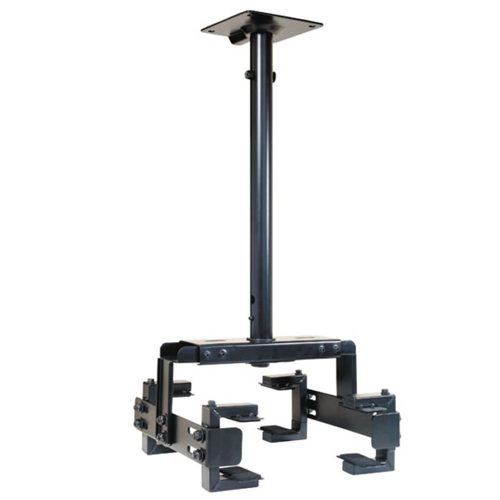 VMP Universal Small Clamping Projector Mount | Closeout
$99.00 × 2
VMP Universal Small Clamping Projector Mount | Closeout
$99.00 × 2 -
×
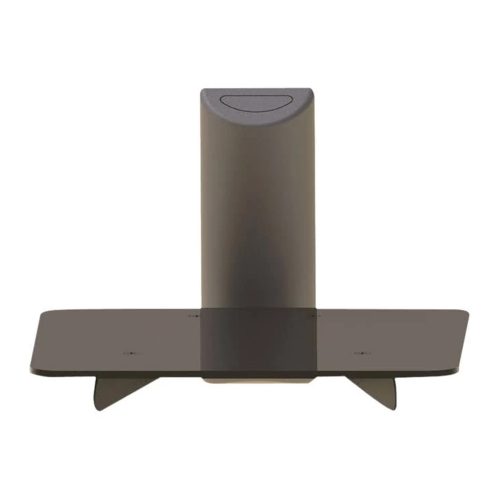 VMP Small Tempered Glass Component Shelf with Cable Channel | Closeout
$48.00 × 1
VMP Small Tempered Glass Component Shelf with Cable Channel | Closeout
$48.00 × 1 -
×
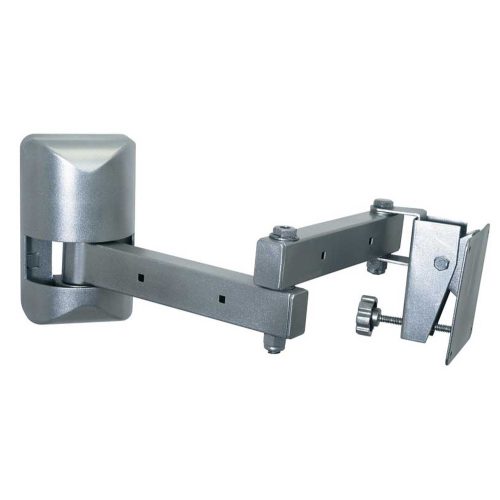 VMP 32" Medium Flat Panel Full-Motion Monitor Mount | Closeout
$65.00 × 1
VMP 32" Medium Flat Panel Full-Motion Monitor Mount | Closeout
$65.00 × 1 -
×
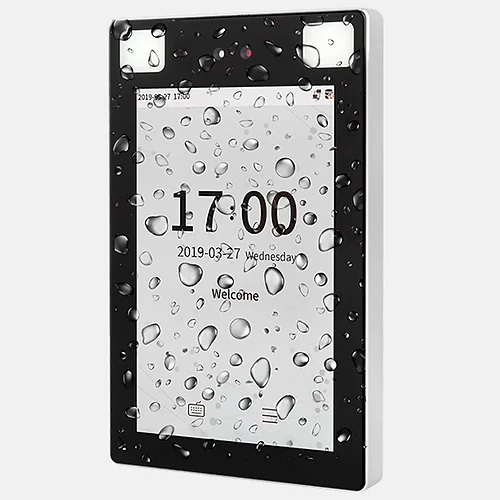 ZKTeco Speedface 8" Display with Biometric Detection Indoor | Closeout
$1,666.68 × 1
ZKTeco Speedface 8" Display with Biometric Detection Indoor | Closeout
$1,666.68 × 1
Top Trends Shaping the Low-Voltage Industry in 2026
As 2026 unfolds, the low-voltage sector is poised for meaningful transformation. From smarter buildings to more intelligent security systems and shifting workforce demands, low-voltage technologies will continue to expand their influence across commercial, industrial, and residential environments.
1. Smart, Connected Buildings Are Becoming the Norm
Low-voltage systems are the backbone of smart building technology, integrating lighting, HVAC, security, sensors, and energy management into cohesive, responsive networks. Buildings in 2026 will increasingly act as dynamic energy systems — balancing comfort, efficiency, and sustainability in real time with IoT platforms orchestrating multiple subsystems.
2. PoE and Next-Gen Cabling Architecture
Expect continued adoption of Power over Ethernet (PoE) standards in 2026. PoE simplifies installs by delivering data and power over one cable — ideal for cameras, access control, sensors, and even lighting systems. Higher PoE power levels and smarter network designs will support more devices with reduced infrastructure cost.
3. Security Systems Get Smarter and Safer
Security and surveillance technologies are evolving rapidly. AI-driven analytics, predictive threat detection, and cloud-managed systems are becoming foundational components of modern low-voltage security architectures. The lines between physical security and cybersecurity are blurring, demanding integrated, encrypted, and resilient designs.
4. IoT and Edge Intelligence Everywhere
The Internet of Things isn’t a novelty — it’s a core part of low-voltage design in 2026. Devices will gather richer real-time data, often processed locally (at the edge) for faster decision-making and lower latency. This trend supports industrial automation, facility management, and remote IoT monitoring at scale.
5. Talent, Training, and Workforce Trends
The demand for skilled low-voltage installers and network infrastructure professionals isn’t slowing. Companies that invest in training, certifications, and talent development will have a key competitive edge as systems become more complex and interconnected.
6. Market Growth and Regulation
Low-voltage protection and control systems continue strong growth momentum, driven by infrastructure modernization, EV charging deployments, renewable integration, and tighter safety standards. Manufacturers will release products geared toward compliance and high reliability.
Putting It All Together
In 2026, the low-voltage industry is more than wiring and panels — it’s the foundation of intelligent, efficient, and secure environments. Professionals should expect:
- Greater integration across systems and technologies
- Smarter automation with AI and edge computing
- Increased cybersecurity focus
- Strong demand for skilled technicians
- Strategic use of cabling standards like PoE
Whether you’re a systems designer, integrator, or contractor, staying updated on these trends will help you deliver future-ready solutions that exceed client expectations in a rapidly evolving market.